The fact that you can get an infectious dose from fleeting contact, yes. There's like no science on that combined with the fact that basic observations contradict that as well.
Ok, so you're now fully dismissing the reliability of the metric you introduced to this discussion. Well done.
Pointed that out; it's uncommon to be infected, but the most common infection is the common cold. It is the easiest upper respiratory infection to catch, but that doesn't make it so that upper respiratory infections are easy to catch.
If you're using the term "common" without a category other than "things that happen", you've rendered the word totally meaningless.
3 times a year is exceptionally rare if we're talking about bathing.
3 times a year is exceptionally common if we're talking about having heart attacks.
You see how the category determines the weight and relevance of
any judgement on frequency?
Literally not true:
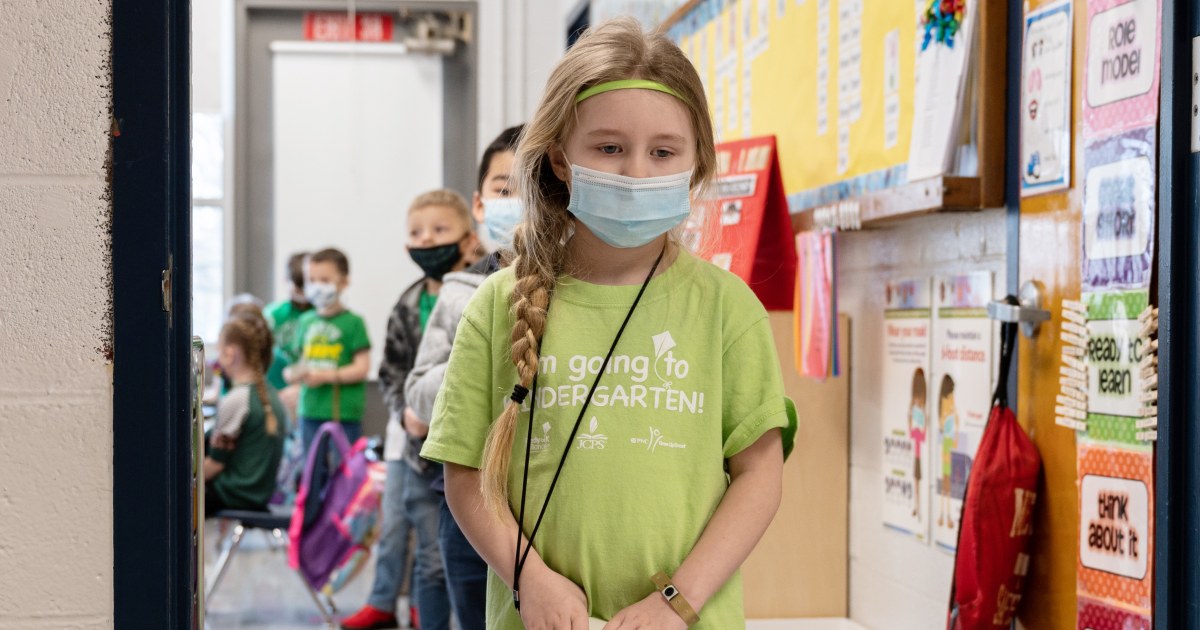
The Centers for Disease Control and Prevention on Friday relaxed physical distancing requirements for children in school, from 6 feet to 3 feet — a change aimed at allowing more students to be inside classrooms.
The recommendations come with a few caveats. Teachers and other adult school staff must still adhere to the 6 feet guidelines, and face coverings remain mandatory.
The change applies only to students, not teachers or other adult staff.

www.nbcnews.com
So in short, distancing guidelines made it
impractical.
The WHO literally told people not to go around giving vaccines because of covid. It wasn't like a guideline was said to only interact with like 5 people per day and that got extrapolated to not giving vaccines.
Ok, and you think this WHO instruction to aid workers was the same thing as a domestic lockdown?
And...? Are you arguing that people in jail don't lose any life?
They don't lose life, no. They lose substantial quality of life and freedom.
Are you arguing they're dead?