
Highguard; Geoff, are you high?
- Thread starter FakeSympathy
- Start date
Recommended Videos


Highguard dev responds as players fear shutdown after website outage - Dexerto
Highguards website has gone down, leaving many wondering if the game is due for an imminent shutdown. Now, the devs have spoken out.
It's fine guys, we have Tencent money don't worry.

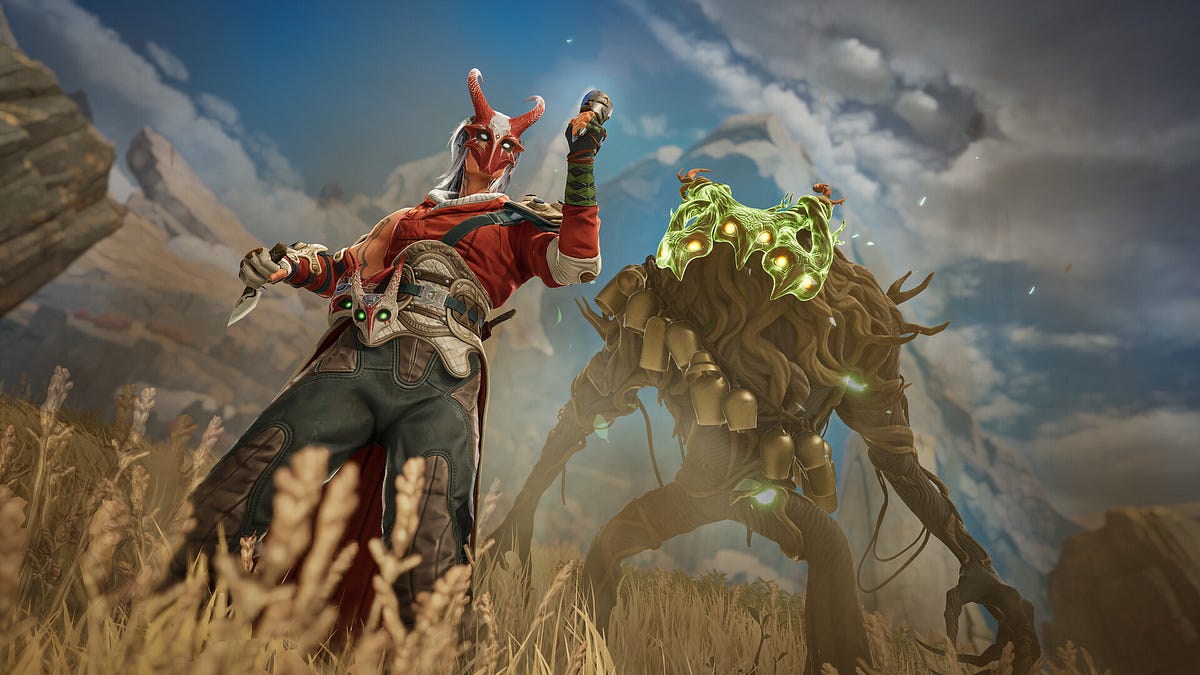
Sources: Tencent secretly funded struggling shooter Highguard
Wildlight Entertainment has said for years it was "fully-funded" but not shared details.
 www.gamefile.news
Oh wow actually funded by Tencent so not indie in any way whatsoever. And that explains the money that Geoff got to make it the finale of the show. Talk about betting on the wrong horse.

I think he means if people spent money they get screwed over.......... at least I hope that's what he meant.I have no idea what you mean by this.
Or Battleborn. you know that game that was totally going to give Overwatch a run for it's money?Or Anthem, if you consider the roadmap that got basically crumpled up and thrown in the trash.

tbf battleborn came out slightly before overwatch, so they didn't totally miss their timing like most game, didn't help it, it still died.Or Battleborn. you know that game that was totally going to give Overwatch a run for it's money?
I actually liked it a lot more than overwatch, so I'm pretty bummed about that one.

- Apr 1, 2009
- 16,512
- 5,108
- 118
- Gender
- Whatever, just wash your hands.
Yeah, Battleborn was pretty neat, it did need some work but its a shame it didn't get it. Back then Blizzard was the company to avoid since anything they released dominated that genre for a bit.tbf battleborn came out slightly before overwatch, so they didn't totally miss their timing like most game, didn't help it, it still died.
I actually liked it a lot more than overwatch, so I'm pretty bummed about that one.
The hatred this game got is more to do with the absurd oversaturation of shooters, especially hero ones, than anything else. It's like a "so you really didn't learn the lesson when Sony lost 300 million dollars huh?" outburst that was only natural.
It could have been a good game but I doubt that would have done much to change anything. Maybe some small community would keep it alive just barely like niche japanese fighting games at best but the gaming industry needs to finally absorb the information that shooters are just completely done, they need to invest in other genres.
It could have been a good game but I doubt that would have done much to change anything. Maybe some small community would keep it alive just barely like niche japanese fighting games at best but the gaming industry needs to finally absorb the information that shooters are just completely done, they need to invest in other genres.

Tragic thing is that the industry likely knows, but the investors won't allow them to change course.The hatred this game got is more to do with the absurd oversaturation of shooters, especially hero ones, than anything else. It's like a "so you really didn't learn the lesson when Sony lost 300 million dollars huh?" outburst that was only natural.
It could have been a good game but I doubt that would have done much to change anything. Maybe some small community would keep it alive just barely like niche japanese fighting games at best but the gaming industry needs to finally absorb the information that shooters are just completely done, they need to invest in other genres.


"You will keep throwing this slop at the wall until something sticks. We want Fortnite levels of money!"Tragic thing is that the industry likely knows, but the investors won't allow them to change course.
My hope is that the game was so far in development by the time concord concorded itself that they had to try and ram the iceberg and hope they survive cause changing course was impossible. I hope that newer projects will not be similarly affected.Tragic thing is that the industry likely knows, but the investors won't allow them to change course.
Innovation is risky - some things succeed but most fail, and investors hate failure. So you can understand why big firms with big investors value safety. Safety means low innovation: cautious advances based on what's been observed to already work.Tragic thing is that the industry likely knows, but the investors won't allow them to change course.
But then what do these big firms have, if they don't innovate? What they have is the ability to splash insane quantities of money on something epic. Most of these games have scope a step above and beyond the competition that near-limitless resources can provide, and it often works: even games with substantial flaws like Starfield flourish. That is really their selling point, their USP. Without it, they're just making middle of the road, formulaic games indistinguishable from all the others out there.
And bless, those dev teams might have been hot stuff when the series started 20 years back, but they just aren't geared to innovating any more, so they probably couldn't even if they wanted to.

Worthy of its own thread. Where are things going? Can AI and indies save us from slop? At the moment I'm hearing the cease and desist orders are starting. Large corporations are trying to buy up and otherwise stop indies.Innovation is risky - some things succeed but most fail, and investors hate failure. So you can understand why big firms with big investors value safety. Safety means low innovation: cautious advances based on what's been observed to already work.
But then what do these big firms have, if they don't innovate? What they have is the ability to splash insane quantities of money on something epic. Most of these games have scope a step above and beyond the competition that near-limitless resources can provide, and it often works: even games with substantial flaws like Starfield flourish. That is really their selling point, their USP. Without it, they're just making middle of the road, formulaic games indistinguishable from all the others out there.
And bless, those dev teams might have been hot stuff when the series started 20 years back, but they just aren't geared to innovating any more, so they probably couldn't even if they wanted to.
In part I'd say.Innovation is risky - some things succeed but most fail, and investors hate failure. So you can understand why big firms with big investors value safety. Safety means low innovation: cautious advances based on what's been observed to already work.
But then what do these big firms have, if they don't innovate? What they have is the ability to splash insane quantities of money on something epic. Most of these games have scope a step above and beyond the competition that near-limitless resources can provide, and it often works: even games with substantial flaws like Starfield flourish. That is really their selling point, their USP. Without it, they're just making middle of the road, formulaic games indistinguishable from all the others out there.
And bless, those dev teams might have been hot stuff when the series started 20 years back, but they just aren't geared to innovating any more, so they probably couldn't even if they wanted to.
The other part is the push for quick returns from investors and big returns and the risk of live service games is seen as lower than the potential returns.
Gaming apparently is losing investors because the bubble has burst and the kind of shady investors who were throwing money at it mostly because of pandemic era growth and moved on to the next get rich quick ideas as they failed to combine gaming and NFTs / Crypto. It's gambling, A.I., Porn and Crypto now are the big areas they want to invest in.
Big companies are struggling with this loss still chasing the big investors.
Add in the current climate in many market fields of execs bonuses being "Raise profits by x amount get a bonus" and so execs are incentivised to boost profit they hammer it for a year, get the big pay out then leave without people realising they did the equivalent of heating heating a building up by setting fire to the bottom few floors rather than anything sustainable.
Sustainability is being lost.
The example I like to go back to is Disney, they made admittedly most of their money from their theme park but a decent chuck was from selling their films again and again. They're impressive in the fact they refined a lot of the corporate tactics used in other areas today. They regularly re-released their films to buy, but not in huge numbers enough it would look like shops were selling out which made people buy for fear they'd struggle to find the film for their kids and it let them sell the film and bring them back round again to remind people the films and IP existed which let them sell other merch too. They were built on their merch and IP and being able to keep selling the stuff in part.
Companies forget this and in the age of infinite availability companies could be making a horde of titles that just keep selling or they market as classics of yester year and get people keeping buying them but companies don't want that because it takes years and time to build up that library and it's not massive potential returns quickly.
What’s funny is they are only in it to make money, yet they can’t even do that and keep repeating same mistakes (insanity yada yada). More-so, stupidity.Tragic thing is that the industry likely knows, but the investors won't allow them to change course.

Pat and Woolie have some extra details.
Tencent secretly funded this game. They also only have one artist working all the characters and had her do the dlc at the same time. Christ, i really hope these artists and developers find a much better place.
Tencent secretly funded this game. They also only have one artist working all the characters and had her do the dlc at the same time. Christ, i really hope these artists and developers find a much better place.
Last edited:
Yeah, the bland character designs make a lot more sense now.They also only have one artist working all the characters and had her do the dlc at the same time.
I mean Tetsuya Nomura designed all the characters for several Final Fantasy games and Kingdom Hearts games. So it's not unusual that the character artist would design all the characters. Also there are only like 8 characters in the game IIRC not a huge cast or anything.Yeah, the bland character designs make a lot more sense now.
Her statement in the article said she was doing the art and running the DLC team, so she wasn't doing the DLC herself as much as managing the team. Which isn't as crazy as that sounds. Many developers wear multiple hats especially senior ones. Chris Metzen of Blizzard was lead story writer for Diablo 3, Starcraft, and Overwatch at the same time. But in reality he generated concepts that the teams further built out for him to approve later.
I don't think this one artist's workload really has anything to do with Highguard sucking nor should they be blamed for it. Highguard was a failure from the concept of the game entirely, and I don't think even superstar Dev's could have made it a success. The audience is just tired of all of these shooter booter services.