

It's ok to be angry about capitalism
- Thread starter XsjadoBlaydette
- Start date
Recommended Videos



KeePass
Proton Pass too.Private equity strikes again. Guess I'm looking for a new password manager
Edit: Of course they keep going after everything people like.

Trump is currently suing the IRS for $10 billion. (Which is pretty incredible given that's more than his entire fortune).Blatant Corruption and Insider Trading with Politicians
Obviously, the president handing himself $10 billion of public money might be a little too enraging, so rumour is that it's going to be settled for a mere $1.7 billion. There's some sort of rationale for what this fund will do, but to all intents and purposes it looks likely to splurge money at Trump's allies and/or fund elections.


Surprised nobody's mentioned this: To this executive, we are "lower-value human capital".
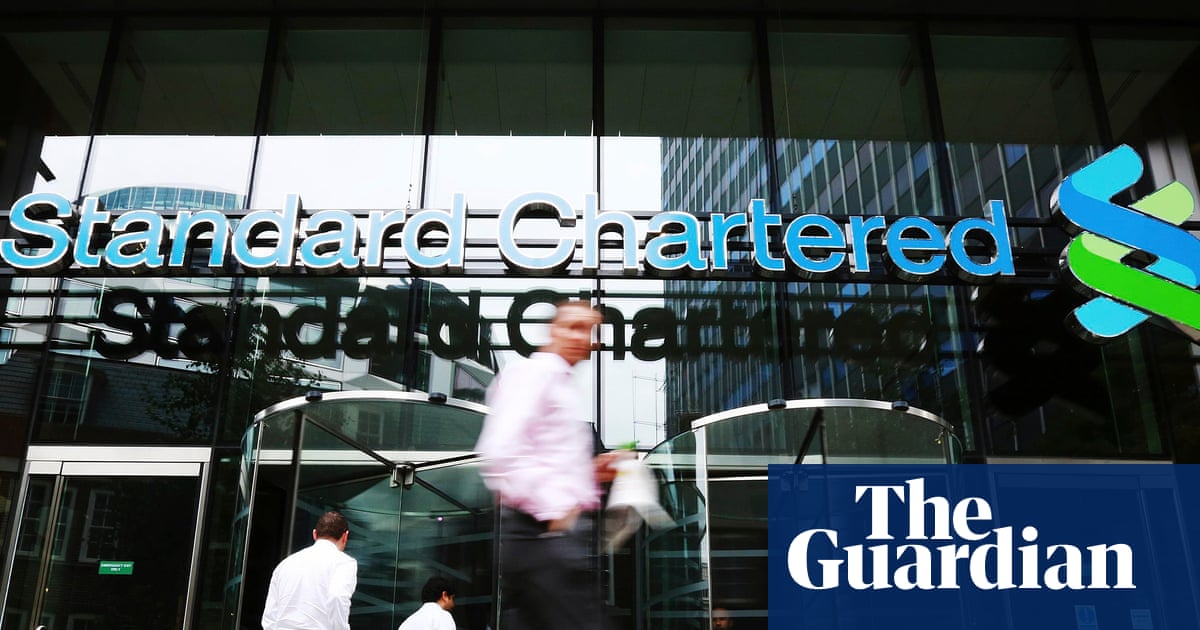
 www.theguardian.com
Standard Chartered to cut more than 7,000 jobs as it steps up AI use
London-headquartered bank will reduce back-office jobs and aims to move some workers to new roles
www.theguardian.com

Obviously. If we were high value we'd have our own companies full of low value assets to make dance to our whims.Surprised nobody's mentioned this: To this executive, we are "lower-value human capital".
Standard Chartered to cut more than 7,000 jobs as it steps up AI use
London-headquartered bank will reduce back-office jobs and aims to move some workers to new roles
There is some good news in the middle of the video, so it's not over yet. Patreon actually does the right thing.
It is strange how the whole internet seems on the same side on this. Including people usually tearing each other apart for the culture war.
But that feels good.
But that feels good.
I would like AI centers as a concept if they didn't spam them everywhere including in places where their are droughts. They are more efficient than every company having a mini-version of one in their office building, but they just had to market them as infrastructure of the AI which are job and people killers. When China for example use them like calculators, and despite having a larger population are only running at 20 - 30% capacity. We likely have enough, and the tax breaks are even dumber, yes it's funding innovation, but these companies can afford to not be as a greedy. Also it's possible to just hire more programmers, and make them more efficient vs spiking water, electricity, and computer hardware costs.It is strange how the whole internet seems on the same side on this. Including people usually tearing each other apart for the culture war.
But that feels good.
Great news, and some investors with actual brain and not overly blinding greed.
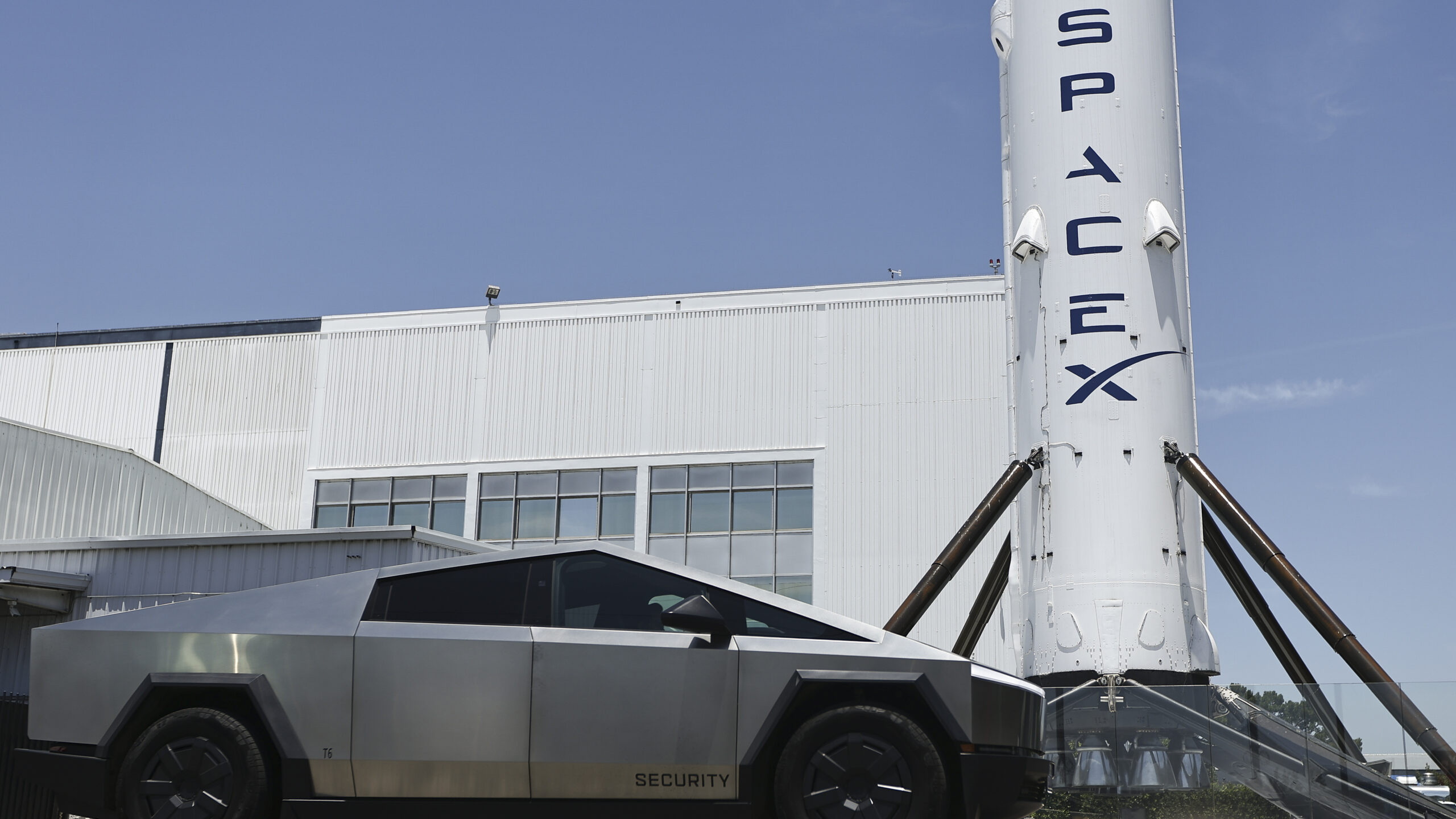
 arstechnica.com
S&P 500 rejects SpaceX, also blocking entry for OpenAI and Anthropic
SpaceX won’t get easy access to billions of dollars from passive investors.
arstechnica.com
Last edited:
Great news, and some investors with actual brain short ones and not overly blinding greed.
S&P 500 rejects SpaceX, also blocking entry for OpenAI and Anthropic
SpaceX won’t get easy access to billions of dollars from passive investors.
So I'm no big-time investor, but it sounds like people wanted the rules changed so that huge companies losing tons of money could just make tons more money with an IPO without actually giving investors a say in the companies (or even being able to promise profitability).To weigh expedited entry for SpaceX, the S&P Dow Jones Indices held a monthlong consultation to consider changing or waiving several main requirements for so-called MegaCap companies with “unprecedented market capitalizations.”
Those proposed changes included shortening the “seasoning period” for new IPOs from 12 months to six months, waiving the investable weight factor (IWF) requirement for MegaCap companies to make at least 10 percent of their shares publicly available, and waiving the requirements for MegaCap companies to demonstrate profitability in the latest quarter of the financial year along with the previous four quarters.
Such rule changes would have accommodated SpaceX’s plan to only offer approximately 3 percent of its IPO shares to public investors, and the fact that SpaceX is currently unprofitable with a growing debt load that has reached $29 billion because of its spending spree on AI infrastructure.