https://www.caltech.edu/news/caltech-researchers-find-evidence-real-ninth-planet-49523
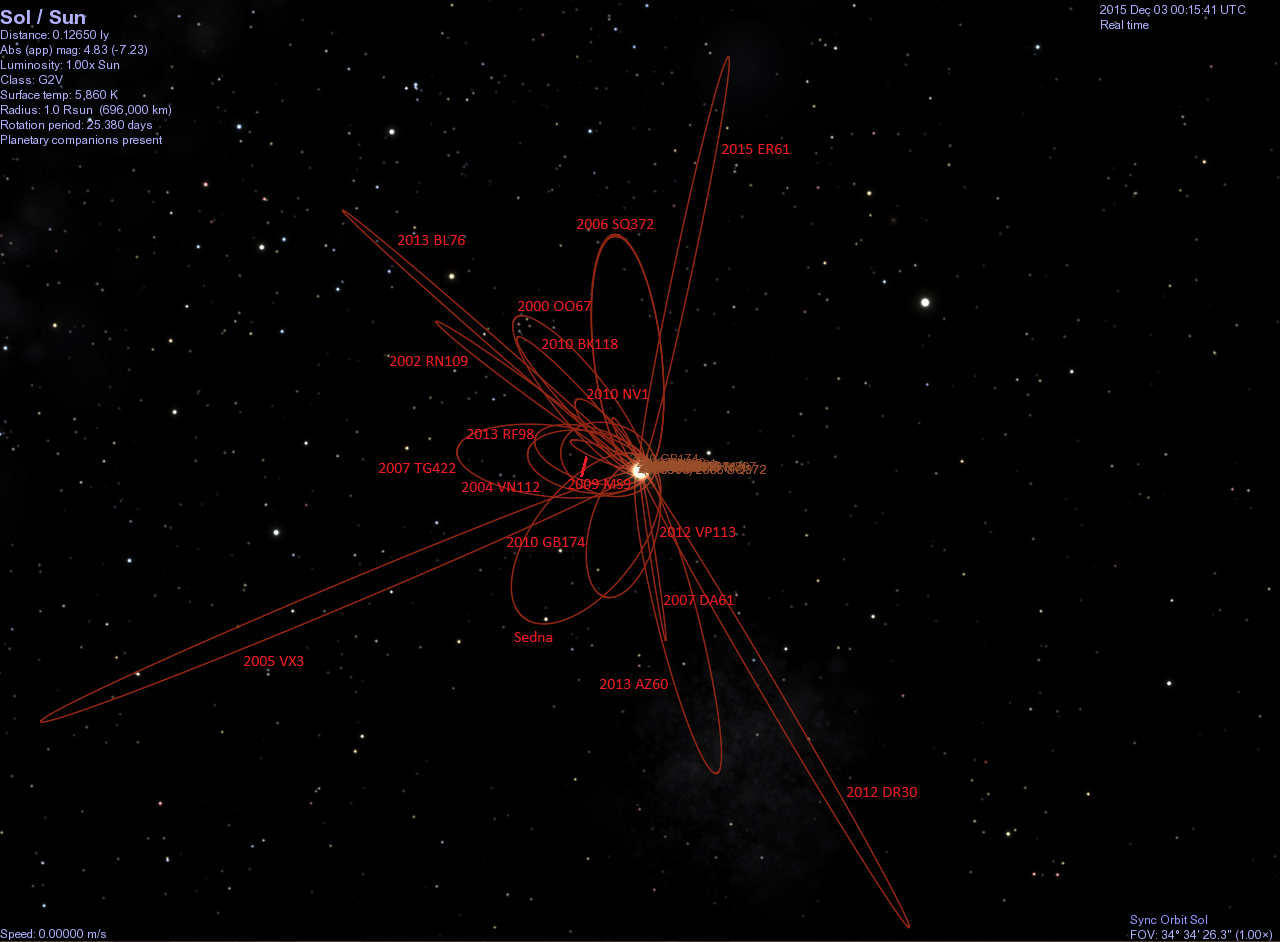
The long and short of this article is that there is, based on observation and mathmatical models, a very high likelihood that there is a 9th planet in our solar system beyond the Kuper belt on an orbit between 10,000 and 20,000 years. If this turns out to be true then it not only means we will have once again 9 planet names to remember, but it would also mean that our solar system would find itself possesing a gas giant that's of the size we've found to be the most common in our observations of other systems: a planet whose mass is between that of Earth and Neptune, meaning our system may be much more common then we initially believed.
Whether or not this turns out to be true remains to be seen, but if it is it would be quite the discovery.
The long and short of this article is that there is, based on observation and mathmatical models, a very high likelihood that there is a 9th planet in our solar system beyond the Kuper belt on an orbit between 10,000 and 20,000 years. If this turns out to be true then it not only means we will have once again 9 planet names to remember, but it would also mean that our solar system would find itself possesing a gas giant that's of the size we've found to be the most common in our observations of other systems: a planet whose mass is between that of Earth and Neptune, meaning our system may be much more common then we initially believed.
Whether or not this turns out to be true remains to be seen, but if it is it would be quite the discovery.

 )
)