
Share some things that make you smile!
- Thread starter davidmc1158
- Start date
Recommended Videos

Toronto man cured of HIV after stem cell transplant
A 62-year-old Toronto man has shown no detectable signs of HIV in his body since stopping his medication in July 2025, making him a strong candidate to become the eleventh person in the world considered cured of the virus.





Maybe AI, while it's sipping on the hundreds upon thousands of gallons of water it takes out of the mouths of nearby communities, can explain why the sale of bamboo near its data centers spiked this year...

How student art is helping fund change
A global arts programme has turned the creativity of young people into a million dollars (£790,000) of funding for organisations working to build connection, empathy and unity around the world.
Students Rebuild invites young people aged five to 25 to respond to an annual theme through art, with each creative submission helping unlock funding for organisations working on the issue being explored. The programme is powered by Creative Visions, a nonprofit that supports artists, storytellers and creative activists using media and the arts to drive social change.
This year’s theme is Unique & United, which asks students to explore identity, difference and what it means to live in a more connected world. The theme has prompted young people around the world to make visual art, performances, games, quilts, films and school-wide events about culture, belonging and community.
I've been following this Youtube content creator for some time and she does some impressive shorts with transitions set to music.
Here's a recent run themed around the World Cup.
 www.youtube.com
Here's a recent run themed around the World Cup.
- YouTube
Auf YouTube findest du die angesagtesten Videos und Tracks. Außerdem kannst du eigene Inhalte hochladen und mit Freunden oder gleich der ganzen Welt teilen.
www.youtube.com
- Apr 1, 2009
- 16,581
- 5,153
- 118
- Gender
- Whatever, just wash your hands.
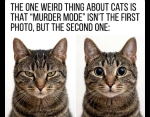
Confirmed. The wider the eyes, the more murderous the intent.
Indigenous Threads Users Shut Down Anti-Black Whataboutism on Juneteenth
Every time a marginalized group gets a moment of recognition, a familiar tactic shows up right on cue, and this Juneteenth it got dismantled in real time by a wave of Indigenous solidarity. On Threads, Meta’s text based platform, a user going by wchokett posted a question dressed up as innocent curiosity but built on bad faith. “What the heck is Juneteenth?” the post read. “No offense, as it is a national holiday, but my question is: where is the national holiday for the American Indian tribes, the original Americans? It just seems quiet right about this.”
The framing was the whole game. Rather than asking out of genuine concern for Native Americans, the post used them as a wedge, pitting Indigenous recognition against Black liberation in an attempt to shrink the meaning of Juneteenth, the holiday that marks the end of slavery in the United States. Juneteenth commemorates June 19, 1865, when enslaved people in Galveston, Texas finally learned they were free, more than two years after the Emancipation Proclamation, and it became a federal holiday in 2021. None of that history competes with anyone else’s. But the post tried to make it a competition anyway.
The Indigenous community on Threads was not interested in playing along, and the response was a clinic in Indigenous solidarity. A user named ding_gorgeous set the tone immediately. “Oh no, sir. As an Indigenous woman, a white man is not going to use my people as a prop to pretend we’re somehow in competition with Black Americans,” she wrote. “Juneteenth commemorates the end of slavery. It exists because that history matters. Indigenous history matters too, but concern for Native people shouldn’t suddenly appear only when Black people are being recognized.”
Others came with the receipts the original poster clearly did not have. As tatortotztay put it, “We have Indigenous people day and November is national Native American month. Let our Black relatives have their holiday.” A user named roguefixation drove the same point home and exposed the hypocrisy underneath it. “Indigenous People’s Day is in October. If you didn’t know that, you don’t actually want indigenous people to get more respect. You just want Black people to get less.” Both corrections are accurate. Indigenous Peoples’ Day is observed on the second Monday of October, and November is National Native American Heritage Month, which means the very recognition the poster claimed was missing already exists.