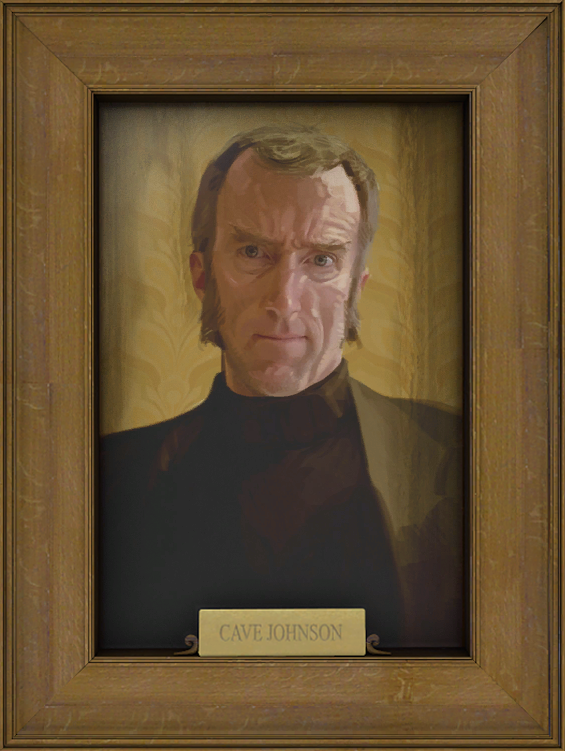
"It's hard to compete in a market that....actually competes!"
Well no shit!
However, he makes a good point about advertising in a market full of scams and shit.
On one hand, the Publisher pushes games that they actually have interest in which allows the market to avoid the "nearly everything is shovelware" dilemma that caused the first market crash.
(even though this didn't stop publishers from shitting out gobs of shovelware for the last two decades, it gives them the power to elevate the games they actually need to sell through selective advertising)
On the other hand, the Publisher essentially takes total control of the game away from its developers (or takes control of the developers' careers!), because they implicitly cannot trust them. The backers are taking the brunt of the financial risk, so they're going to call the shots.
Which unfortunately opens the doors to mismanagement and rush jobs.
Neither system is ideal in a vacuum. With an openly competitive market, you will find that the lowest common denominator always wins, barring early entry and success (like Rovio. Who didn't really do anything new or original. They just got to the market early enough to get noticed).
The bar is set so low that anyone can enter, but anyone making a quality game is likely to get undercut and ignored anyway. So why bother putting forth the effort?
Conversely, with a publisher-established oligopoly (like we have right now), you end up with market consolidation, price hikes/gouging, and stagnation (all of which exist in the AAA market this very moment). They have less incentive to focus on all but the most superficial of qualities. "Polished turds."
And so, you eventually end up with a handful of polished megapopular games dominating the market, which in turn, drives down their need to compete. They own the market. Why should they take any further risks? Result: "Polished Turds."
Neither of which are likely to produce what the market actually wants: Pioneers in gaming.
Equal parts quality in design and original, fun ideas.
People who are willing to take risks within reason, but whose games can reach an audience without having to dominate the entire market to begin with.