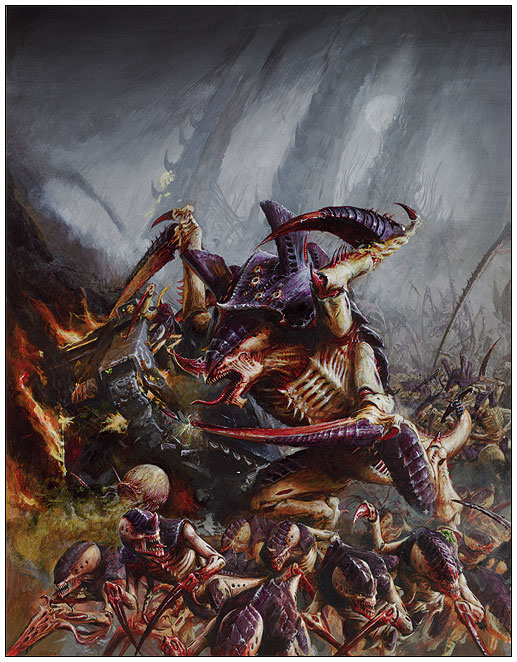
Before you decide to take a swim, let me just tell you about the frilly giant frogs. They're amphibians, as the name implies. The "frilly" part of the name comes from the hundreds of protuberances around their bodies. As you can see from the diagram, these are in two groups, one a ring under the frog's chin and the other this longer fringe all the way down both lateral lines.
The frogs reproduce parasitically, but unlike parasitic wasps they do not cause their hosts significant injury. Where a wasp stings its victim to paralyse it and its larvae then consume the victim from within, the frilly giant frog exploits placental mammals' reproductive systems, ultimately leaving the host healthy.
The frog targets a mammal in the water, mostly otters, seals and dolphins but also sometimes humans, dogs and livestock. It grapples with its target using its legs and the longer tentacles in the lateral fringes. These secrete a mixture of chemicals once the frog has decided to attack, including muscle relaxants, euphorics and analgesics. The frog doesn't have to fight long before the victim is too relaxed, too happy and too high to struggle, and the victim feels no pain.
Having achieved this position, the frog then uses its long tentacles to explore and stimulate the victim's body. The frill on its face is electosensitive and appears to enable it to discern pleasure. By keeping its head against the back of its victim's head, it can work out what the victim enjoys and do more of that, which makes the victim less likely to reject it and more likely to continue to visit the water and also makes it easier to get its tentacles into the victim's womb. Male victims are rejected at this stage and usually just move away and carry on with their lives. Female victims are impregnated.
The young implant into the lining of the uterus and grow there until they are big enough to emerge into the world, which is about the size of the tob joint of my thumb, here. When they're ready to leave, they secrete the same muscle relaxant and crawl out. How they can tell their host is in water is not yet clear, but they tend to emerge into water. They then spend two to four years growing to adult size before mating and going in search of another female mammal to host their young.