One might also note that many companies are no longer straightforward "one share one vote". They often now have voting shares and non-voting shares.You forgot one very important skill that Musk has that no one else does. His ability to get dumb investors to keep investing in him.
Thus some of them might own a modest proportion of the total shares, but it turns out they own a much greater proportion of the voting shares. For instance, I think Zuckerberg owns a minority of Meta shares, but is effectively unremovable because he owns over 50% of the voting shares.
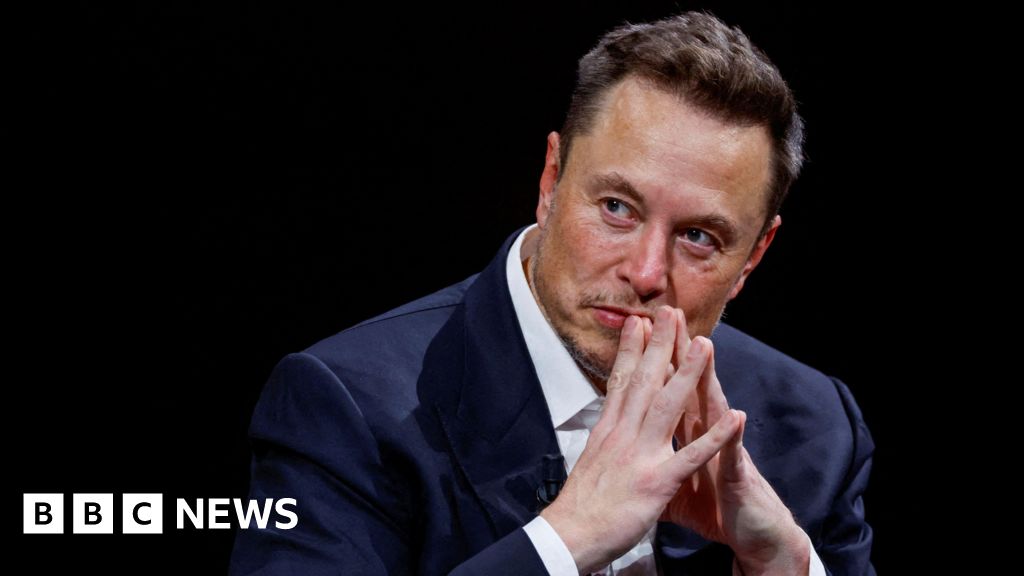
Musk controls only something like 15% of Tesla votes, although I believe another ~5% are held by close associates. After that, Tesla has a rule that would make removing him require a two-thirds vote. But if Musk controls 20% of the shares, that means the 67% is only likely to come from the remaining 80%. Or in other words, over 80% of external shareholders need to remove him. That's a huge proportion in voting terms: just imagine how unlikely it would be to pass a referendum with that sort of pass rate.
As a judge recently noted, the Tesla board is also heavily compromised - it's full of Musk's associates and cronies. The lack of independence of the board was why the judge rejected a pay packet a year or two back. The shareholders have the votes, but the board still has a substantial amount of power, and Musk can exert additional control of Tesla through that.