Barely started the game, just a couple of quests in, had a couple fights, got the dual katana but here's my first impressions:
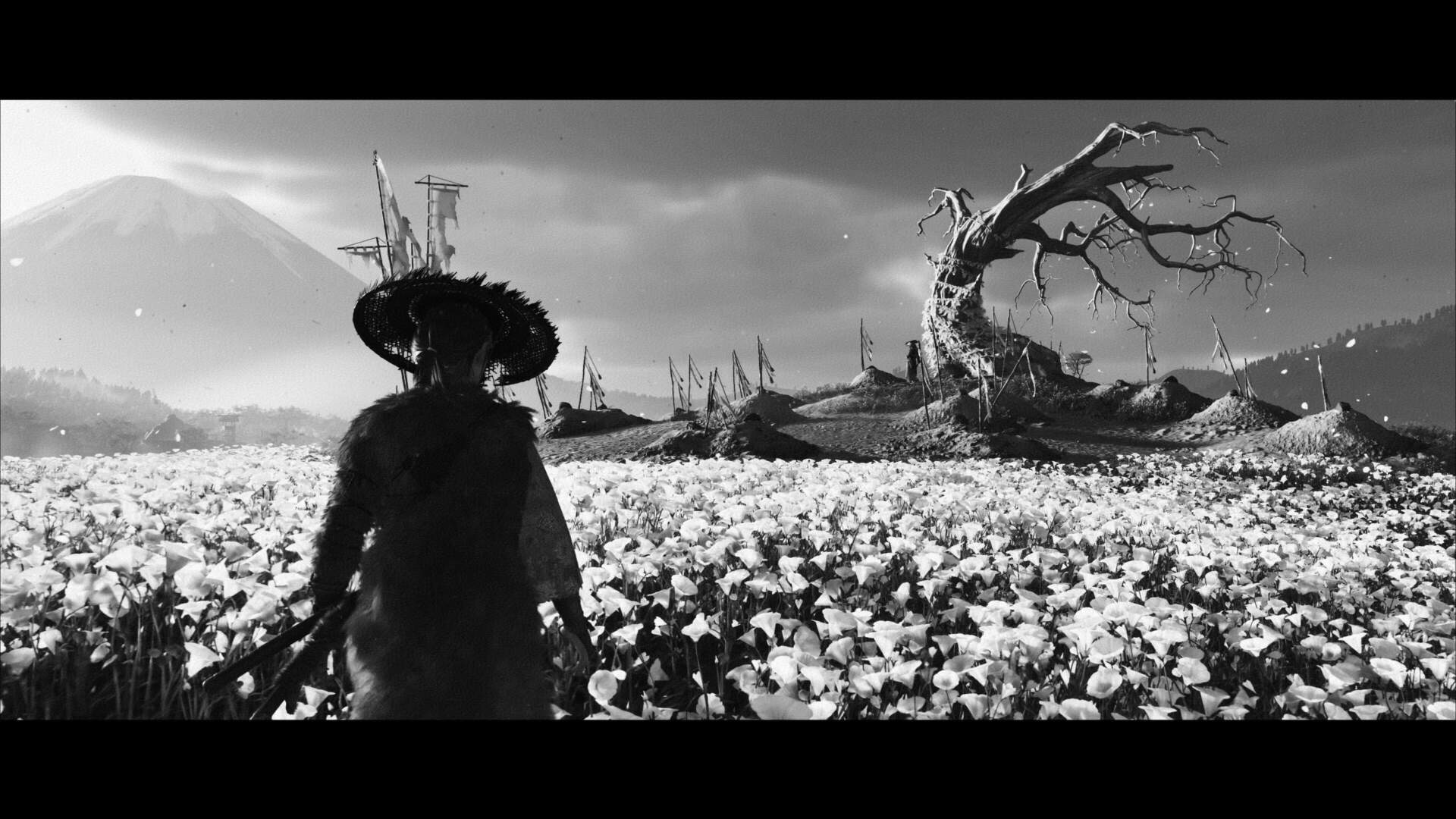
One, it's a game that's very concerned with cinematic presentation, mostly for good, sometimes to a fault. It was in one of the first quests when I was approaching a location and the weather suddenly changed from slightly overcast to a thunder storm to have the correct visual framing for the cutscene and subsequent fight that happens there. That sort of thing comes off quite funny and seems representative for the sort of central push and pull between the freedom to go wherever you want, whenever you want of an open world title and having bespoke, director driven setpiece moments of a story heavy game. It's the sort of a thing linear titles like the old Meta Gear games or a Last of Us or Alan Wake don't have to worry about, you experience every setpiece exactly as the creators intend, but an open world game adds variables the games have to be scripted around. I don't think those are irreconcilable or anything but that's the kind of moment that really displays the friction between the two.
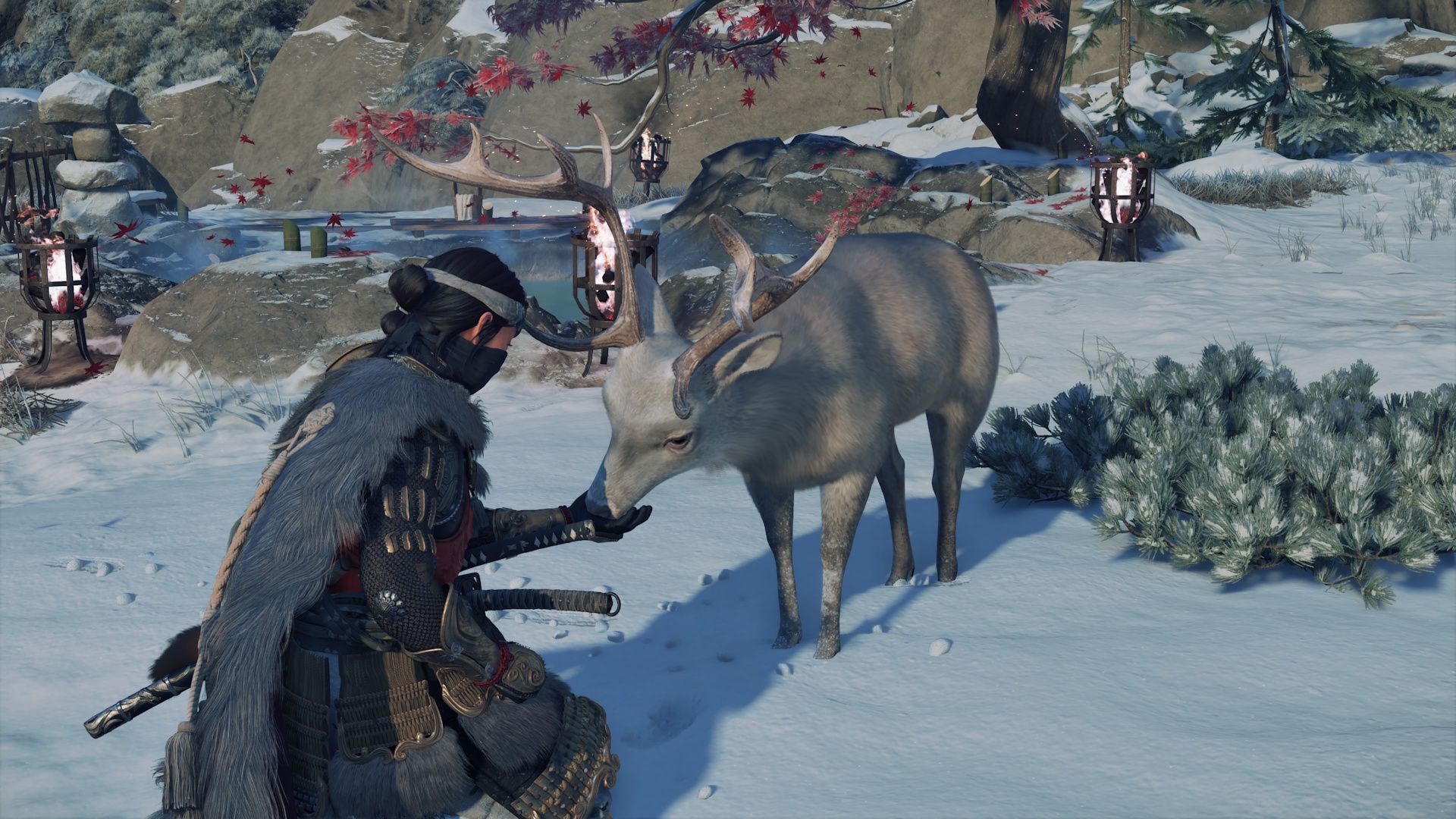
The other, somewhat related, matter that stuck out to me is a bit more abstract but it's about contextualizing its locations. It's another one of those difficulties that narrative heavy open world games have had. To phrase it in a hopefully catchy way, the intention to turn spaces into places. Give all those locations you pass through while going through main quest and side content some background, invoke some personal connection. Which this game does, to a large part, through flashbacks that emphasize the protagonists childhood growing up in this world. To make them not just another outpost or enemy camp or save point on the wayside but to turn them into a place that means something to the player. I wonder whether it'll be able to keep this up for the entire game.
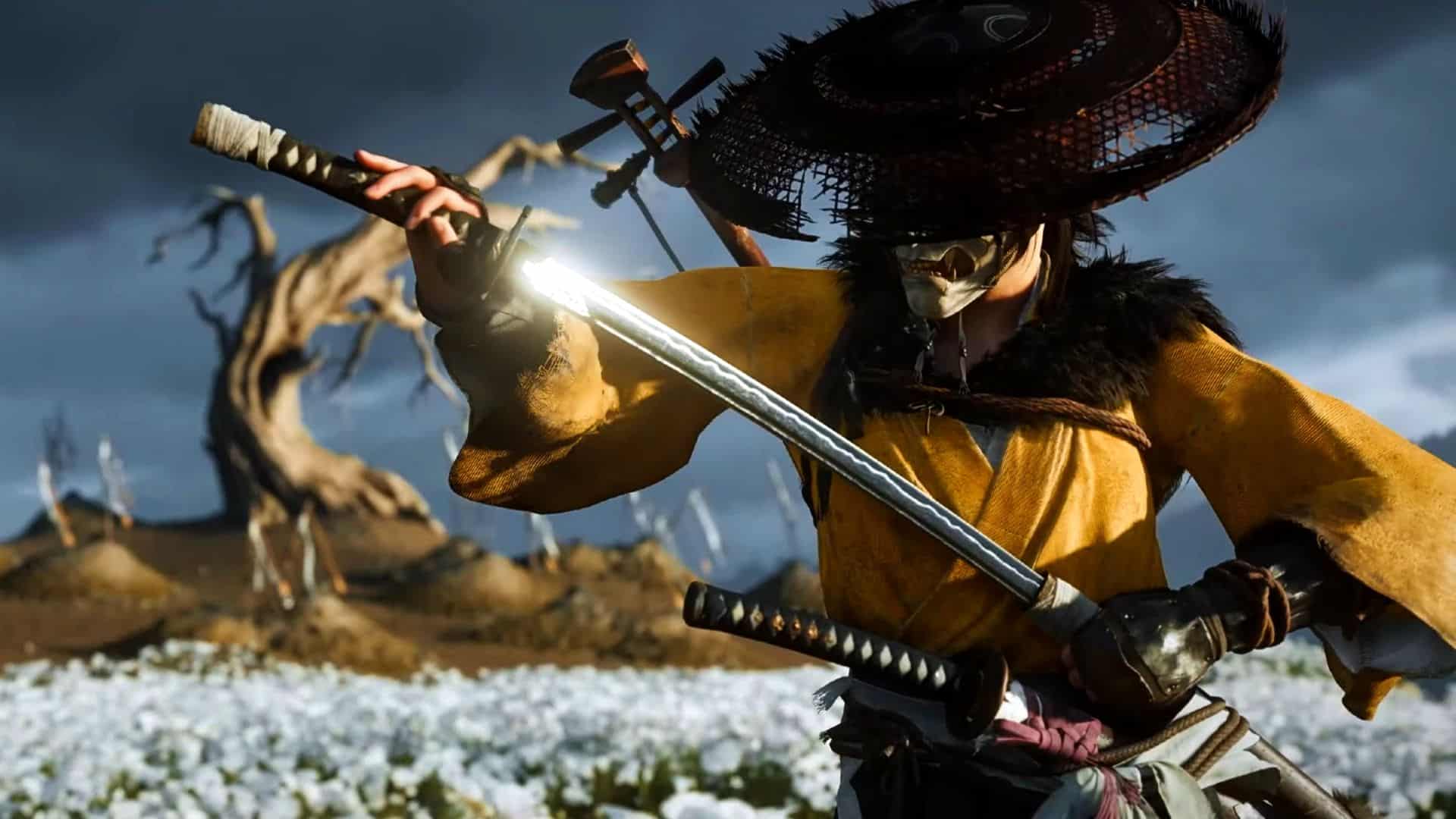
Apart from that, it feels like it's a pretty decent evolution of the first game. Rests on that weird boundary of cross pollination that western movies and samurai movies have had. The one on one duels in scenic locations are still the big highlight. When talking about action movies I like to say that in a good action movie, the action scenes serve the same purpose the songs do in a musical, they tell you something about the characters, punctuate emotions and set the mood. The duels in the Ghost games very much embrace that philosophy, the way they're stylized turns them into dramatic punctuation.
Which I guess their stories kinda lean into. First game had avery basic outer conflict where the enemies were the literal mongol hordes which the game never even really tried to make sympathetic. I didn't like how the inner conflict then ended up boiling down to "Should I follow our, admittedly archaic, code of honor or commit war crimes?", which I don't think it resolved satisfyingly but overall Jin's personal character arc was the most compelling part of the story.
Yotei starts again with a very simple, video gamey conflict about revenge, Lady Snowblood is the obvious inspiration but I' d have to lie if I said my first association wasn't Kill Bill. So far Atsu herself seems to be the focus but I'm wondering whether this time the bad guys will actually be interesting. Last I played was a flashback scene that did give the primary antagonist some depth. Wonder if the other targets will get anything.





 .
.