So, let me get this straight here.Elamdri said:Sure, but here's the deal. TES is a classic, high fantasy game. Tolkien's elves have been the accepted norm for elves for about 60 years now. Now if you wanna make some deviation from the high fantasy Genre, fine, but when we're talking about TES, there are some expectations I think, and what they've put out don't meet those expectations in my opinion.lacktheknack said:Ironically enough, this would be CLOSER to classic elves. They were tiny devilish troublemakers before the likes of Tolkien came in and rewrote them.Elamdri said:This is hyperbole, but if Bethesda made elves three feet tall, with 7 arms, red skin, and horns, then they can call them elves all they want, but they're not elves.
Tolkien WON. Elves LOOK like human beings. They may not have to look like supermodels, but they're general appearance should be human. Especially in a game series that bleeds as much Tolkien and D&D as TES.
You're saying that because other mediums make something look or act a certain way, all others that are similar have to have the exact same criteria apply to them?
You know that is directly acting against creativity and design right?
Now, let's play a little game. Look at the original, then tell me which one looks more different and out of place from it.
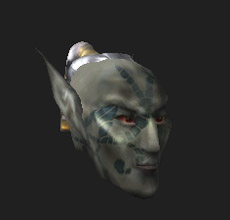


If you answered one, you're lying.
Besides, the definition of fantasy not only allows but encourages alternate ideas and takes on something.
After all, if we didn't have alternate takes and executions of ideas and designs, we wouldn't have the interesting elven slave race angle for Dragon Age, the mysterious Dwarven/Elf Dwemer from TES, and the sparkly Vampires from Twilight.fan·ta·sy/ˈfantəsç/
Noun:
The faculty or activity of imagining things that are impossible or improbable.
Though, on reflection, maybe we're better off sticking to formula for that last example...